A leisure activity that rejuvenates after a week of sedentary work has nothing to do with one that suits after five days of working outdoors in the sun. The actual recovery level of an activity depends on three variables rarely crossed in usual guides: the type of fatigue accumulated (mental, physical, social), the season, and the available time slot. Starting from these three filters radically changes the selection.
Choose a leisure activity based on your type of fatigue, not its popularity
The most consulted activity rankings sort by the number of practitioners or current trends. The problem is that a popular activity can worsen fatigue instead of alleviating it.
After intense cognitive fatigue (screens, meetings, analyses), the body needs movement without complex decision-making. A walk in the forest, a session of open water swimming, or a bike ride on a familiar route works better than an escape game, which is often recommended as an “anti-routine” leisure activity.
Conversely, after physical fatigue (manual labor, intensive sports, moving), contemplative activities offer the best recovery: reading outdoors, visiting a gallery, having a spa session, or simply wandering through an indoor market. The trap would be to force a hike “to get some fresh air” when the legs are calling for rest. Among the leisure activities to discover on Durabilis, several lend themselves precisely to this sorting by intensity rather than by category.
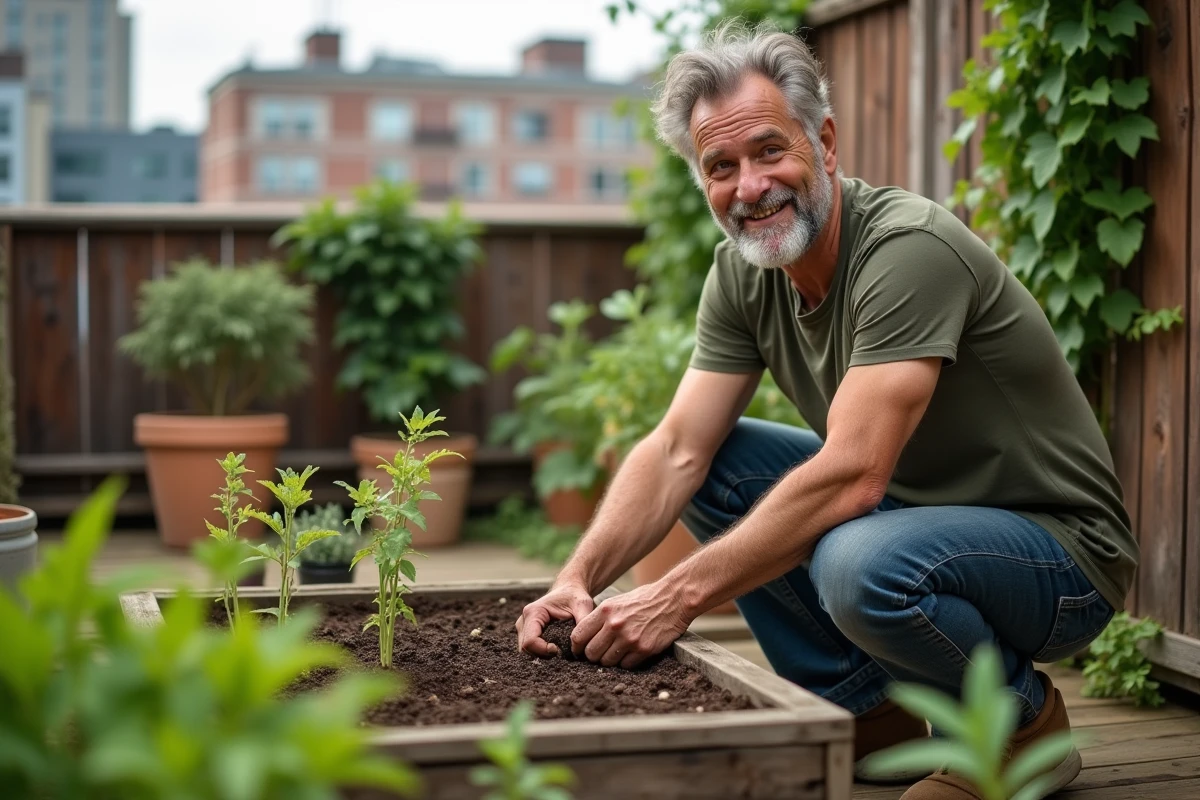
Social fatigue, on the other hand, calls for solitary activities or those in a small duo: photography, gardening, slow cooking, sketching. Planning a group outing on a Saturday when the week has been saturated with interactions often produces the opposite effect of the rejuvenation hoped for.
Outdoor activities in summer: freshness and local micro-adventure
The season profoundly alters the quality of a leisure activity. During periods of intense heat, recent tourist content highlights a clear shift towards water-related activities and shaded spaces.
Rather than a packed schedule, a nearby micro-adventure combines three ingredients over half a day: a natural location (river, lake, forest trail), a cultural or gastronomic discovery, and a real pause time. This short but immersive format is suitable for weekends where the available time does not exceed a few hours.
Concrete examples based on the available time slot
- Two hours in the evening: a walk along a canal or urban river, an improvised picnic with local products, sunset photography from an accessible viewpoint.
- Half a day: a nature course like geocaching or a connected treasure hunt (Terra Aventura and similar formats), followed by a stop at a farm-inn or a producer’s market.
- A full day: an accessible water outing (canoeing, paddleboarding, swimming in a supervised body of water) combined with a visit to a nearby village or historical site.
This breakdown by available duration avoids the syndrome of overly ambitious outings, which tire more than they relax because the drive has consumed half of the free time.
Wellness and recovery activities: beyond simple rest
Wellness as leisure is not limited to “doing nothing.” Active recovery produces effects that a nap alone cannot achieve, provided the right intensity is chosen.
Spas, hot baths, and outdoor pools are gaining ground in seasonal searches. In the mountains, resorts are developing summer offers centered on relaxation: Nordic baths, massages after gentle hikes, yoga at altitude. These formats target an audience that seeks neither athletic performance nor total idleness, but a calibrated in-between.

Home recovery without specific equipment
Slow cooking (sourdough bread, stews, seasonal pastries) engages the hands and frees the mind from mental loops. Cooking a dish that takes two hours produces a measurable meditative effect without requiring training or expensive equipment.
Long reading, preferably on paper, remains one of the few leisure activities that combines physical immobility and gentle cognitive stimulation. Its effectiveness as a recovery tool lies in the break it imposes from continuous digital flows.
Family leisure: adapting the activity to the group’s energy
Failed family outings often share the same cause: a program designed for a single energy level. A six-year-old child and a teenager do not have the same attention span or need for movement.
Playful nature trails (marked treasure hunts, interpretive trails, puzzle circuits) work well because they allow younger ones to run while adults can proceed at their own pace. A successful intergenerational outing alternates short active phases with breaks where everyone does what they want for ten minutes.
- Plan a ratio of about one break for every two active phases, especially in hot weather.
- End with a shared calm moment (snack, ice cream, observation from a viewpoint) rather than a final intense activity.
- Choose a location where retreat is easy: proximity to a village, a shaded parking area, or a water point in case of unexpected fatigue.
This framing by the group’s energy, rather than by the available activity catalog, reduces frustrations and transforms an ordinary outing into a true moment of collective recovery.
The most useful filter for selecting a leisure activity boils down to one question: what do I need to recover today, with the time and season I have? A leisure activity well-suited to the current fatigue is better than a spectacular activity poorly timed. The next time you browse a list of ideas, start by identifying your energy level before choosing the destination.