The 1990s saw the emergence of a musical genre that profoundly marked popular culture: rap. Born from disadvantaged neighborhoods, this movement quickly gained popularity, becoming the voice of a generation in search of recognition and social justice.
Iconic figures like Tupac Shakur, Notorious B. I. G., and Nas not only shaped the sound of this decade but also addressed burning themes such as violence, poverty, and racism. Their lyrics, imbued with reality and rebellion, continue to influence contemporary artists and resonate with today’s audience.
the rise of rap in the 90s
The 1990s were a pivotal period for rap, marking the ascent of this musical genre worldwide. Gangsta rap, with figures like N. W. A and Ice-T, gained popularity, addressing themes of urban life, violence, and injustice. This was not the only sub-genre to develop during this period.
diversification of the musical genre
- Political rap emerged with groups like Public Enemy, using their music to address social and political issues.
- G-funk, popularized by Dr. Dre, brought a new sound to rap with funk influences.
These various currents allowed rap to diversify and attract a broader audience. The Kris Kross group, although often considered more commercial, helped popularize rap among young teenagers.
geographical and cultural anchoring
The epicenter of 90s rap was primarily located in the United States. New York, and more specifically the Bronx, were hubs of creativity and innovation for this musical genre. But the West Coast was not to be overlooked, with Los Angeles witnessing the rise of many influential artists.
| Musical Genre | Notable Figures |
|---|---|
| gangsta rap | N. W. A, Ice-T |
| political rap | Public Enemy |
| G-funk | Dr. Dre |
90s rap was not just an artistic expression but a true cultural movement, rooted in the social and political realities of the time. Consider this decade as a period of profound transformation and innovation for rap, the echoes of which still resonate today.
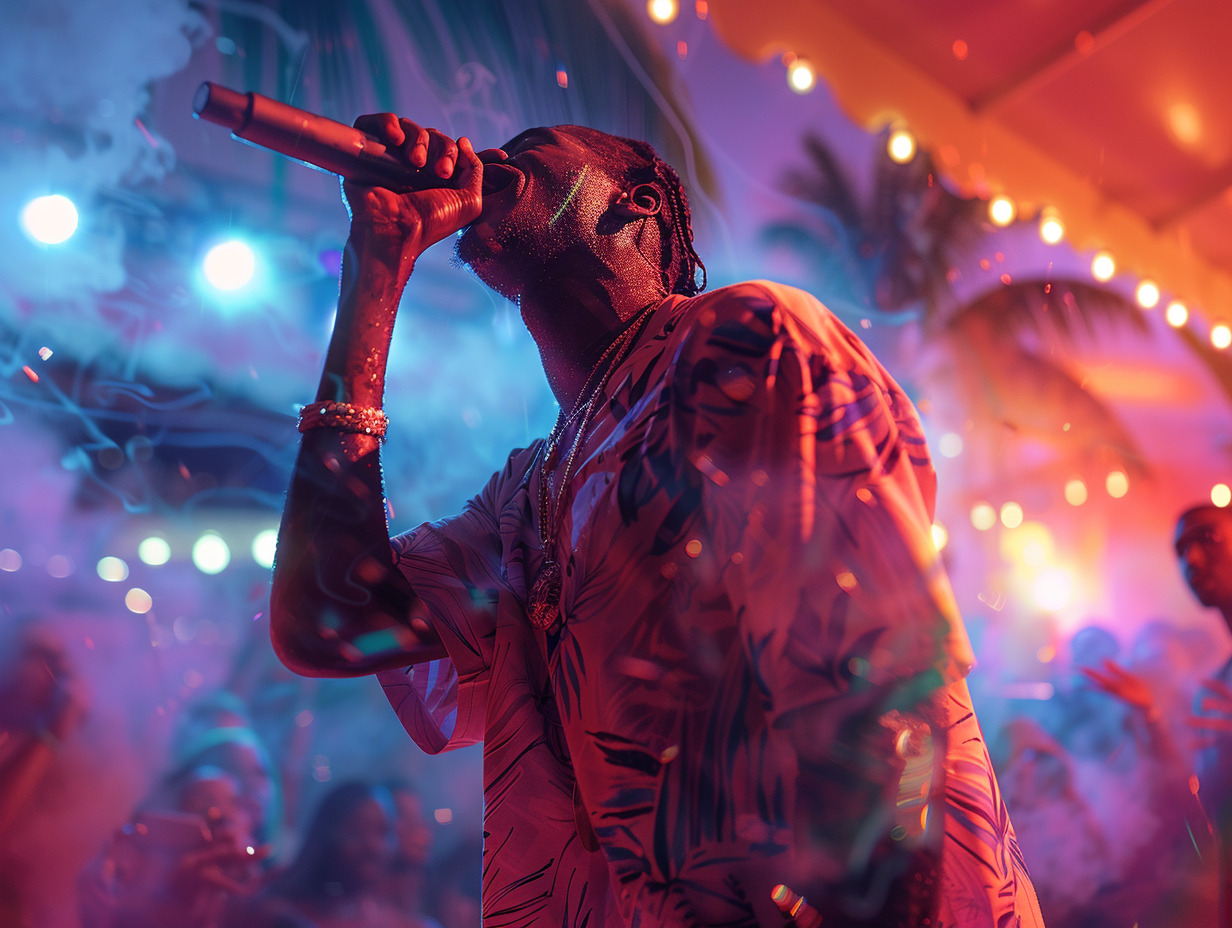
iconic figures and their impact
pioneers and American legends
DJ Kool Herc, often regarded as one of the pioneers of rap, laid the foundations for this musical genre with his parties in the Bronx. Grandmaster Flash, with his innovative DJing techniques, influenced many artists. Afrika Bambaataa, founder of the Universal Zulu Nation, worked to promote hip-hop culture.
Public Enemy used rap to address political and social issues, becoming a powerful voice for marginalized communities. N. W. A and Ice-T were pioneers of gangsta rap, tackling themes of urban life and violence, while Ice Cube pursued a successful solo career after leaving N. W. A.
impact and innovation
Dr. Dre popularized G-funk and produced many successful artists, including Eminem and Snoop Dogg. The Wu-Tang Clan, with their unique style and numerous talented members, had a huge impact on rap. Tupac Shakur and The Notorious B. I. G. remain two of the most influential artists in rap history, their works still resonating today.
Jay-Z and Kanye West marked the 2000s with their innovation and commercial success. Jay-Z, with a career spanning several decades, became one of the most successful rap artists. Kanye West, for his part, influenced many artists with his groundbreaking albums.
french rap in the spotlight
MC Solaar is one of the pioneers of French rap, known for his poetic lyrics. IAM, Suprême NTM, and Assassin were influential groups in the development of hexagonal rap. The 2000s saw the rise of Booba, Diam’s, and Rohff, each contributing uniquely to the music scene.
Orelsan, who became an influential figure in French rap in the 2010s, continues to push the boundaries of the genre with critically acclaimed and popular albums. The iconic figures of 90s and 2000s rap not only marked the history of music but also helped shape contemporary culture.