Tracking your fishing catches and sharing them online today involves a range of digital tools with very different logics. Some applications focus on private fishing logs, while others emphasize social interaction and collaborative mapping. The choice between the two alters what you make visible, what you keep to yourself, and how your data feeds (or does not feed) a larger community.
Digital fishing logs and social applications: what each model exposes
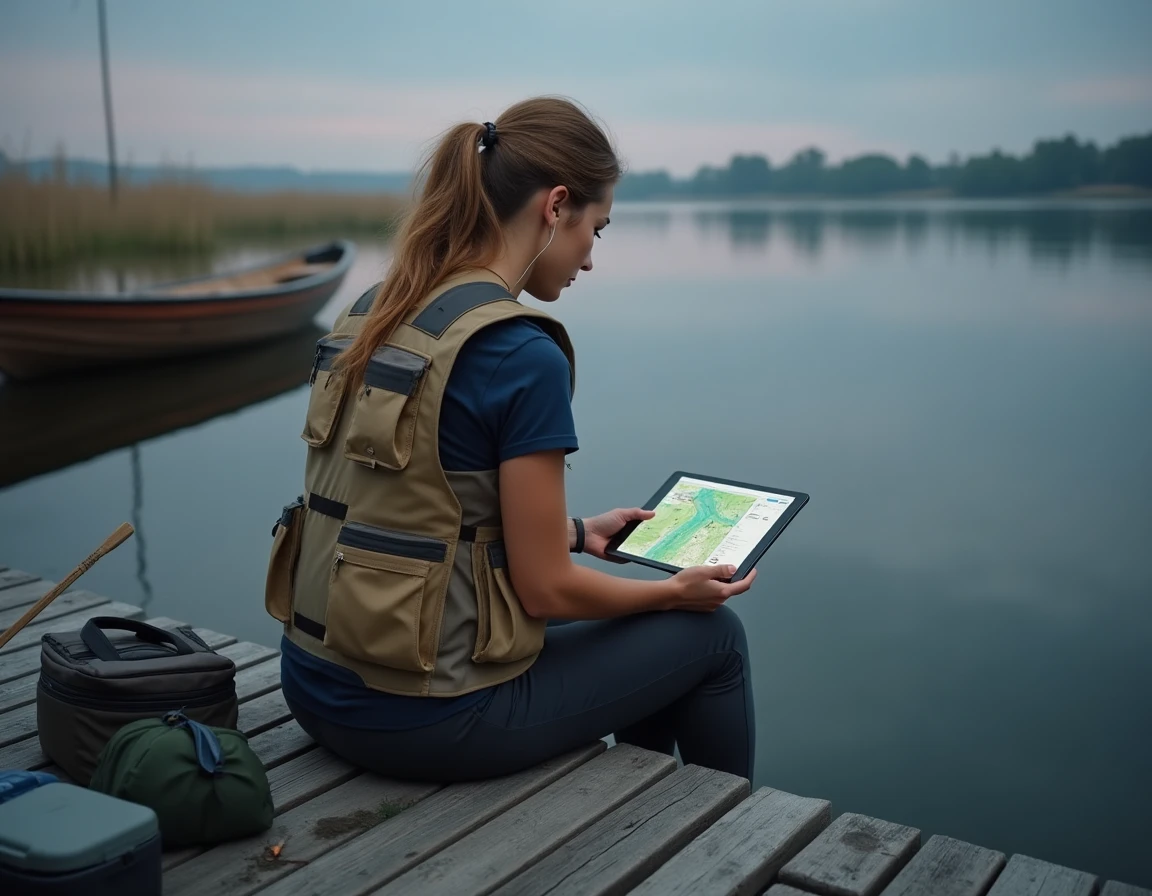
Catch tracking applications are divided into two main categories. Private logs record your sessions, your fish, your spots, your weather conditions, without publishing anything by default. Social platforms, on the other hand, encourage sharing photos, locations, and statistics with a community.
| Criteria | Private log (like FishFriender in private mode) | Social platform (like FishAngler, Fishbrain) |
|---|---|---|
| Visibility of spots | Invisible by default, viewable only by the angler | Shared on a community map, sometimes with GPS coordinates |
| Personal history | Complete, with statistics and filters | Complete, but often coupled with a public news feed |
| Regulatory alerts | Rare or absent | Increasingly frequent (no-take zones, minimum sizes) |
| Risk of spot overcrowding | None | High if the spot goes viral |
| Business model | Paid premium version for advanced features | Advertising, aggregated data, premium subscription |
This table outlines a trade-off that each angler must make according to their priorities. If you wish to explore the features of a community-oriented online fishing log, you can check out the homepage of My Fish Book to compare with other solutions.
Geolocated regulatory alerts: an automatic filter on your publications
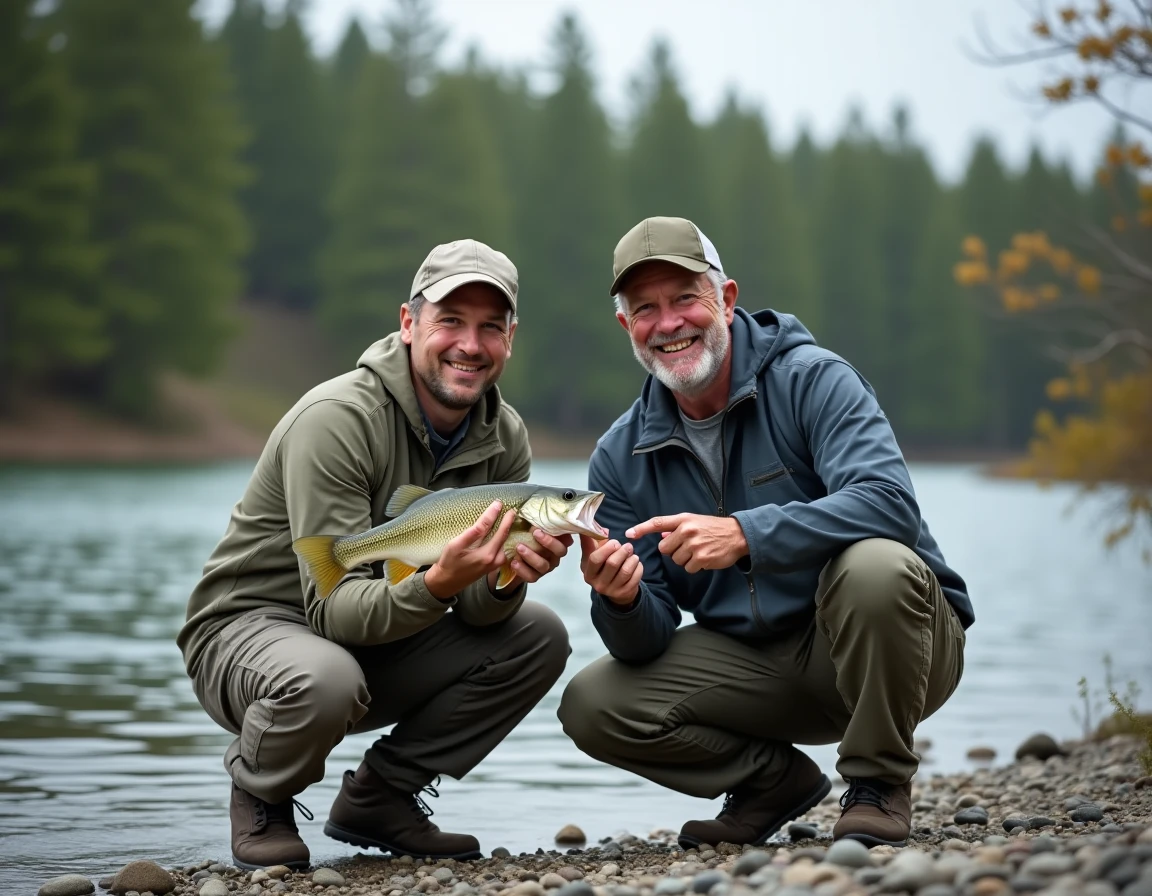
In recent years, several catch-sharing platforms have integrated geolocated regulatory alerts. When a user posts a catch or a spot located in a sensitive area, the application automatically displays the current restrictions: closed season, minimum catch size, no-take zone.
This mechanism does not block publication. It adds a layer of contextual information that reminds the angler of local regulations at the precise moment they are about to share their content. For recreational sea fishing, the RecFishing application (supported by French maritime authorities) goes further by making the declaration of catches mandatory for certain species, with a catch history accessible at any time.
However, purely community applications do not all have this regulatory granularity. Some are limited to spot maps without any mention of local restrictions, which can mislead a passing angler.
What automatic alerts filter (or do not filter)
- No-take zones and nature reserves are generally well covered by the official databases integrated into the latest applications.
- Temporary prefectural orders (floods, pollution, drought) are rarely updated in real-time, creating a blind spot for anglers who rely solely on the application.
- Minimum sizes and quotas by species are reliably displayed on tools backed by institutional data, but remain approximate on collaborative platforms where the database is fed by users themselves.
Fishing spots and social networks: the mechanics of overcrowding
Feedback from fishing guides and instructors published in fishing press in 2023-2024 documents an increase in disputes related to sharing spots on social networks. The scenario repeats itself: a geolocated video or photo goes viral, a sudden influx of passing anglers arrives at a small river or a previously preserved body of water, and conflicts with local practitioners escalate.
Several guides now strictly regulate what can be filmed and shared during their sessions. The logic is simple: a publicly shared spot ceases to be a spot within a few weeks.
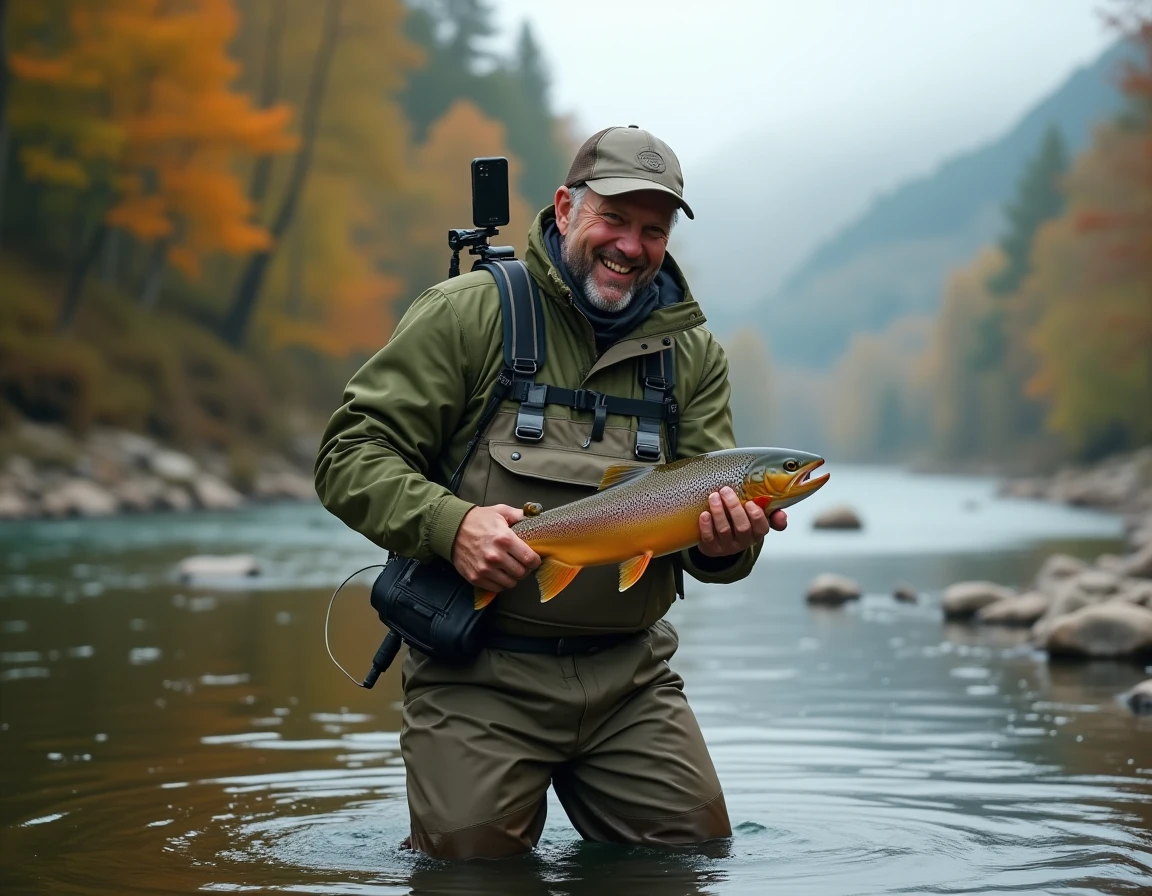
This dynamic pushes some anglers to adopt what could be called a digital ethics of discretion. Publish the catch, the technique, the weather conditions, but obscure or delay the location. Some applications facilitate this approach by allowing users to blur the spot on the map while keeping the exact coordinates in the private log.
Digital ethics of the angler: protecting spots without giving up sharing
The trend towards private fishing logs within social applications directly responds to this tension. Since 2023, several apps allow users to keep spots and sessions invisible to other users while retaining access to personal statistics and history.
This hybrid mode (social when chosen, private by default) changes the logic of sharing. The angler decides what to make public on a case-by-case basis, instead of exposing everything by default. This is a reversal of the initial operation of these platforms, which relied on total transparency to feed their spot maps.
Three practices that protect a spot without severing community ties
- Publish the photo of the catch with technical data (lure, rig, water conditions) but without GPS coordinates or precise indications of the watercourse.
- Use private mode for sessions at sensitive or less frequented spots, reserving public mode for already well-known routes.
- Wait several days or weeks before publishing a session to avoid the immediate influx effect related to the freshness of the content on news feeds.
These adjustments do not eliminate the risk. A spot can still be identified by cross-referencing visual clues in a photo. The automatic geolocation of EXIF metadata remains the most common trap for anglers who publish images without checking their settings.
The digital tracking of fishing catches oscillates between two poles: the richness of shared data, which feeds the community and regulatory bases, and the protection of fragile spots that virality can degrade in a matter of days. Tools are evolving towards hybrid modes that leave control to the angler, but vigilance regarding metadata and geolocation remains an individual responsibility that no application fully takes on.