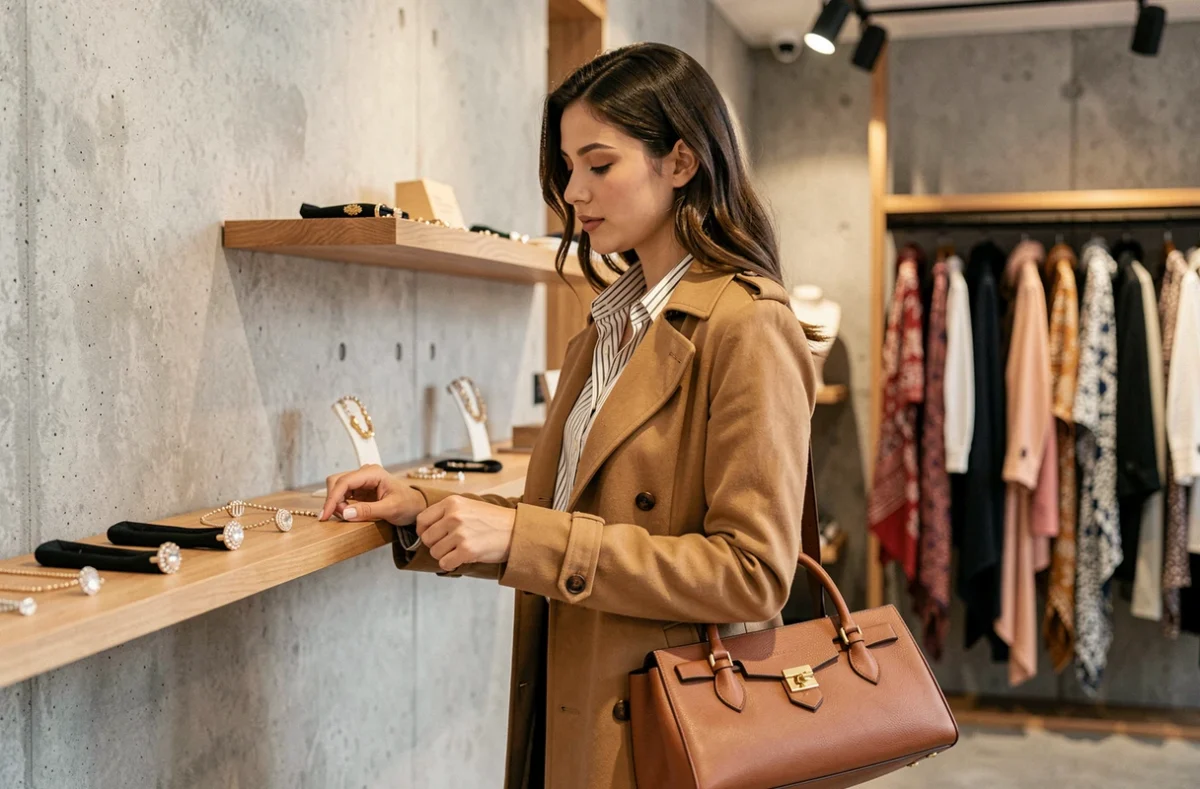
Each season brings its share of new pieces, reimagined colors, and rethought silhouettes. Current fashion and accessory trends are not limited to the runways: they translate into concrete, wearable choices for everyday life that transform a wardrobe without completely replacing it.
Digital passport and textile traceability: what changes for your purchases
Have you noticed a QR code on the label of a recently purchased garment? This little black square signals a fundamental change in fashion. The European regulation on the eco-design of sustainable products, adopted in July 2024, lays the groundwork for the digital product passport. This system will associate each garment with information about its composition, origin, durability, and recycling possibilities.
The specific delegated act for textiles is tentatively scheduled for 2027. In the meantime, several brands are already anticipating this requirement by integrating digital identifiers into their collections. For everyday purchases, this means increased transparency about what you wear.
Another significant fact: since July 19, 2026, large companies can no longer destroy their unsold textiles (clothing, accessories, shoes). This ban will extend to medium-sized companies in 2030. Microenterprises and small businesses are currently exempt, subject to exceptions related to safety or the condition of the products.
In practical terms, these measures push brands to better calibrate their productions and offer more limited edition pieces. For you, this translates into more targeted collections and accessories designed to last several seasons, which directly aligns with the offerings found on lylystore.be with pieces selected for their versatility.
Trendy colors and materials for the autumn-winter season
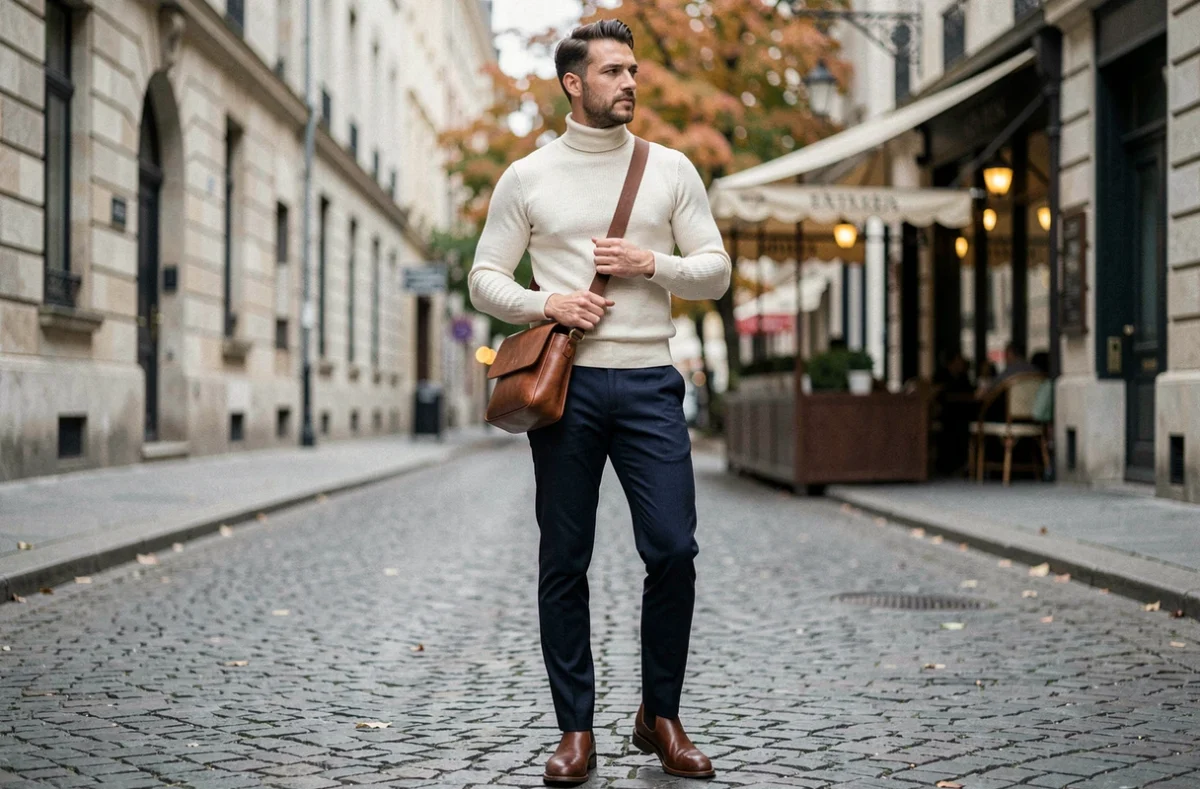
Looking to refresh your style without starting from scratch? The season’s palette makes it easier. Earthy tones (caramel, tobacco brown, deep khaki) dominate wardrobes, accompanied by brighter touches like saturated burgundy or petroleum blue.
In terms of materials, three families stand out this season:
- Textured wools, from boucle tweed to ribbed knits, which add depth to a simple outfit like straight jeans and an oversized sweater.
- Soft leather (or its plant-based alternatives), featured in short jackets, structured bags, and wide belts, which adds a more assertive dimension to a casual look.
- Fluid and lightweight knits, worn in layers under a jacket or blazer, allowing for playful layering without adding bulk to the silhouette.
Layering different materials adds depth to a monochrome outfit. A fine-knit sweater under a thick wool coat, for example, creates a tactile contrast that is enough to make a basic ensemble more refined.
The return of subtle prints
Small-scale geometric patterns, fine stripes, and tone-on-tone checks replace the bold prints of previous seasons. This shift towards subtlety makes these pieces easier to mix and match.
Fashion accessories: the pieces that transform a look
A well-chosen accessory changes the perception of an entire outfit. It is the most accessible lever for following fashion trends without completely renewing your wardrobe.
The medium-sized structured bag remains the standout piece of the season. Not too small to be functional, nor too large to weigh down, it can be carried by hand or worn crossbody. Grainy leather models in neutral tones (black, cognac, taupe) pair with almost everything.
Jewelry follows a similar logic: fewer pieces, but more impactful. Thick chains worn alone, asymmetrical earrings, and wide-link bracelets are durable choices that span several seasons.
Belts and scarves: the underestimated styling tools
A wide belt worn over a coat or cardigan restructures the silhouette in an instant. A silk or lightweight cotton scarf, tied around the neck, wrist, or on a bag, adds color without commitment. These two accessories are inexpensive and radically change the look of an outfit.
Building a sustainable style: choosing versatile pieces
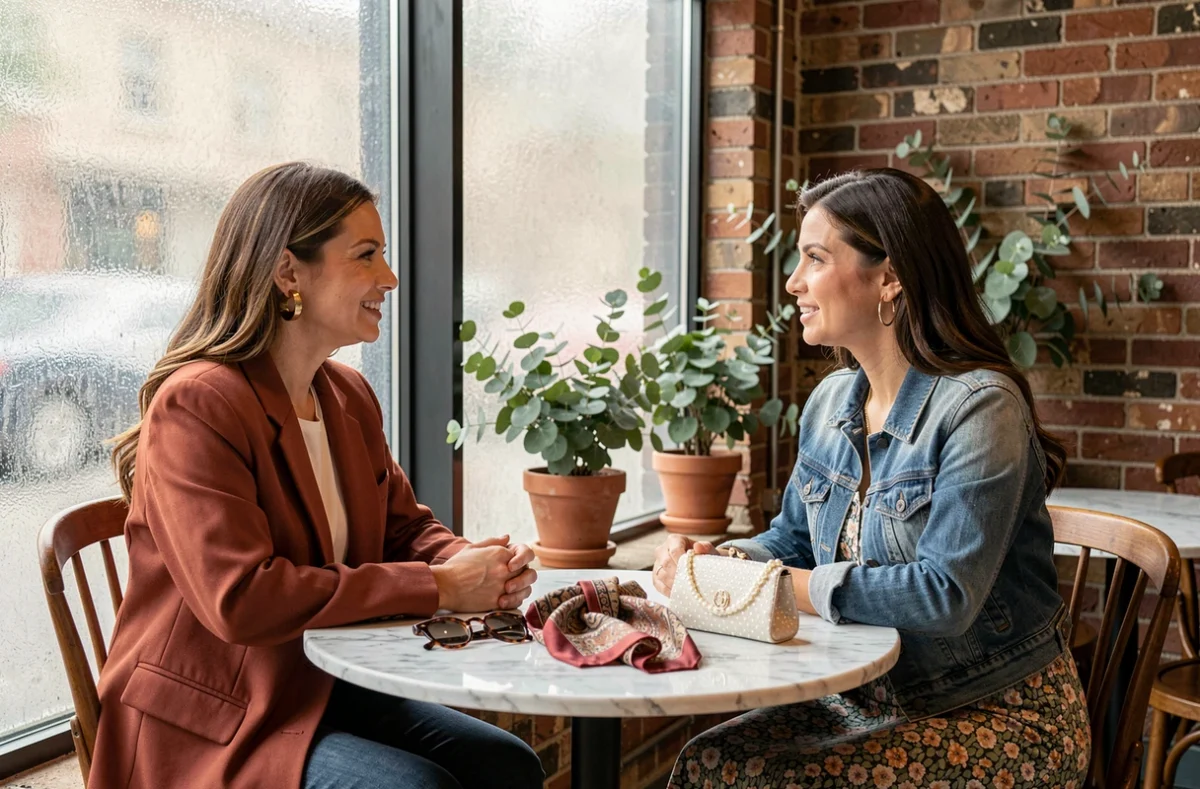
Why choose this option over another? The question deserves to be asked with every purchase. Trends come and go, but some pieces remain relevant well beyond a season. The principle is simple: favor clothing that works in at least three different outfits.
An oversized blazer, for example, can be worn over jeans on the weekend, over a dress during the week, or open with a basic t-shirt. A straight dress in a neutral color transitions from the office to dinner with just a change of accessories.
This reasoning also applies to accessories. A well-made bag in a versatile color, a pair of understated earrings, a quality wool scarf: these thoughtful purchases prevent the accumulation of pieces worn twice and then forgotten.
Maintenance as an extension of style
A well-maintained garment retains its look longer. A few concrete actions make a difference:
- Wash knits in cold water and inside out to preserve fibers and colors.
- Store sweaters folded (never on hangers) to avoid shoulder distortion.
- Use fabric covers for seasonal pieces stored for several months.
A garment that lasts three years costs less than a garment replaced every season. Maintenance is an integral part of style, even if we rarely think about it at the time of purchase.
The most striking fashion and accessory trends this season share a common thread: the search for pieces designed to last, worn with intention. The textile traceability gradually being implemented in Europe reinforces this direction. Each garment added to your wardrobe should be chosen for its versatility as much as for its aesthetics.