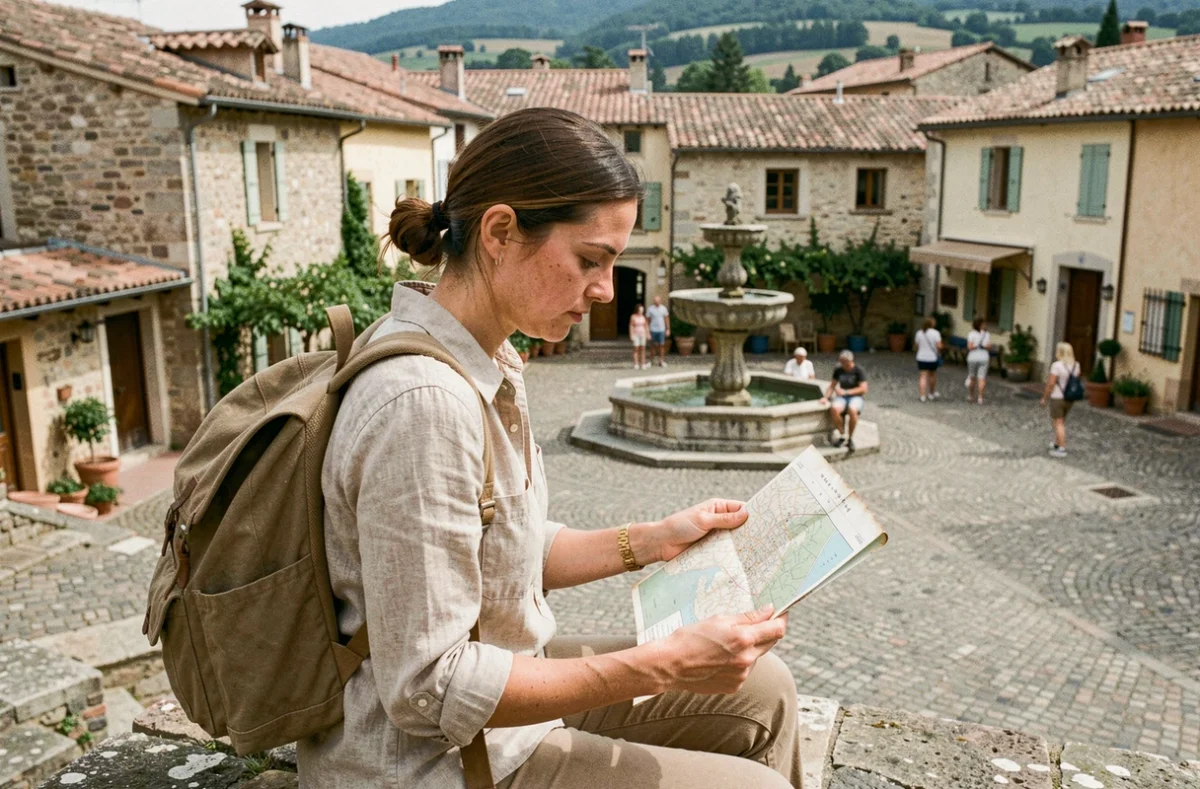
When booking a holiday rental in a mountain village that barely appears on travel platforms, the first question to ask isn’t “Is it authentic?” but “Does this village have running water, roads and shops to welcome visitors without making life harder for its residents?”
Travelling differently starts with this check, long before choosing a mode of transport or an eco-label. A European Commission report also notes that tourism imbalances in Europe include both overcrowding at iconic destinations and under-tourism in less-visited regions. So the challenge isn’t just to escape the crowds, but to spread visitors to places that can accommodate them.
Less-visited destinations: avoid shifting the problem elsewhere
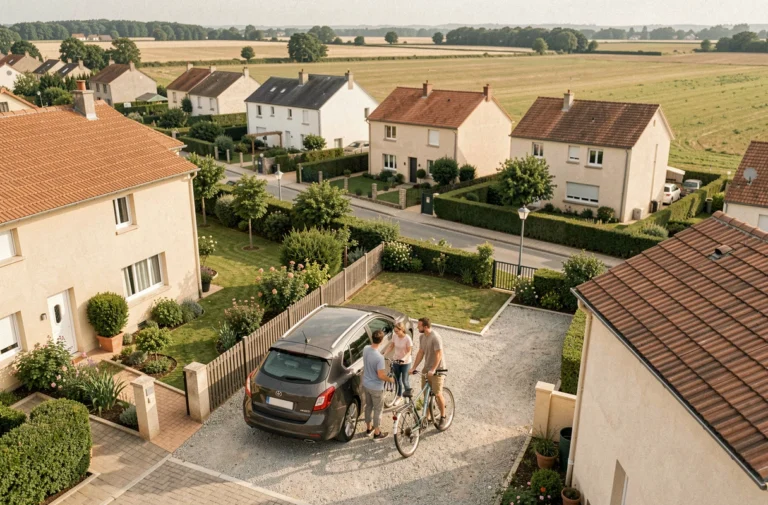
We’re constantly told to “get off the beaten track”. The advice comes from a good place, but overlooks a practical point: a fishing hamlet in Montenegro or a textile village in Guatemala may not have the capacity to accommodate, feed and guide a steady stream of visitors. Shifting tourist pressure onto a local community without suitable infrastructure creates exactly the problem we wanted to avoid.
Before settling on a lesser-known destination, you can check a few practical details:
- Is the accommodation run by local residents, or by an outside operator that takes most of the revenue? A community-run guesthouse or local cooperative keeps more money in the area.
- Does the village have decent road access, a waste collection point and enough water to accommodate additional visitors?
- Is there an established tourism offering (a local guide, a marked trail, a regular craft market), or are you arriving somewhere that never asked for visitors?
These checks take an hour of research, no more. They help prevent a responsible trip from becoming a nuisance for the people who live there. Specialist resources can help you find destinations that combine low visitor numbers with genuine capacity to welcome guests: https://mamzellevoyage.fr, for example, brings together travel journals focused on this kind of discovery.
Travelling off-season: a practical way to tackle overtourism
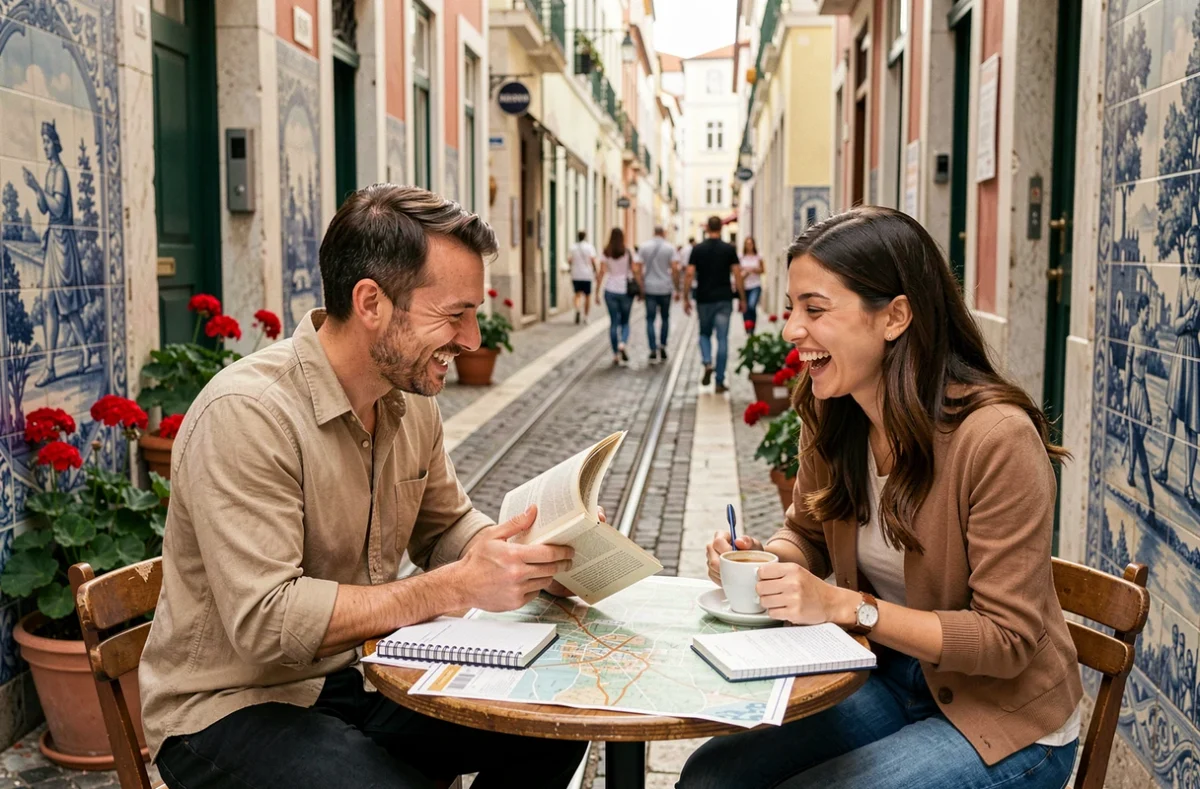
The European Commission identifies off-season travel as a way to spread visitors throughout the year and reduce peak crowds at the most popular destinations. This advice is often associated with summer beach holidays, but interest in winter getaways in the sun is also growing, opening up more possibilities.
In practice, visiting Crete in November or Portugal in February makes all the difference: lower accommodation prices, attractions you can visit without queuing and, above all, more natural interactions with local residents, who aren’t in “summer crisis management” mode.
The limitations of this approach vary by region. Some destinations close part of their services off-season (restaurants, ferry routes, tourist offices). It’s therefore worth checking when local services are open before booking, rather than assuming everything operates year-round.
Train travel and low-impact mobility: compare the total cost, not just the ticket
The “take the train instead of flying” approach has become a classic of responsible travel. A European Commission document adds some nuance: rail tickets often cost more than less sustainable modes of transport, partly because rail competition remains limited and tax systems vary from country to country.
For a fair comparison, add up the ticket price, transfers between the station and your accommodation, total travel time and the cost of an extra night if the journey extends your stay. On a Paris–Barcelona trip, the sleeper train may work out cheaper than flying once you factor in the airport taxi and an extra hotel night. On a Paris–Athens trip, the difference in travel time makes the comparison less favourable.
Once you arrive, low-impact transport (cycling, walking and local public transport) is almost always cheaper and more immersive. Hiring a bike in a small town costs a fraction of the price of a car and gives you access to routes you can’t reach by car.
Planning your getaway around extreme weather
The European Commission reports that wildfires disrupted tourism in some regions of Spain and France in recent seasons. It also highlights the importance of information and guidance provided to visitors. This is no longer a theoretical risk: checking local conditions a few days before departure is part of being prepared.
Two simple habits can make all the difference. First, check the weather forecast and alerts from local authorities in the area where you’re staying—not just the national forecast. Then, have a backup plan: accommodation in a nearby area, or an alternative activity in case a trail closes or a campsite is evacuated.
This flexibility doesn’t require extra spending. It means accepting that your original itinerary may change, which, ultimately, fits the idea of travelling differently quite well: adapt your trip to the place, rather than forcing the place to fit your itinerary.
Planning a responsible getaway isn’t just about ticking off eco-labels or choosing greener transport. Checking whether a destination can accommodate visitors, travelling outside peak season and preparing for extreme weather are three practical steps that can genuinely reduce the impact of a trip—without turning travel into an exercise in guilt.